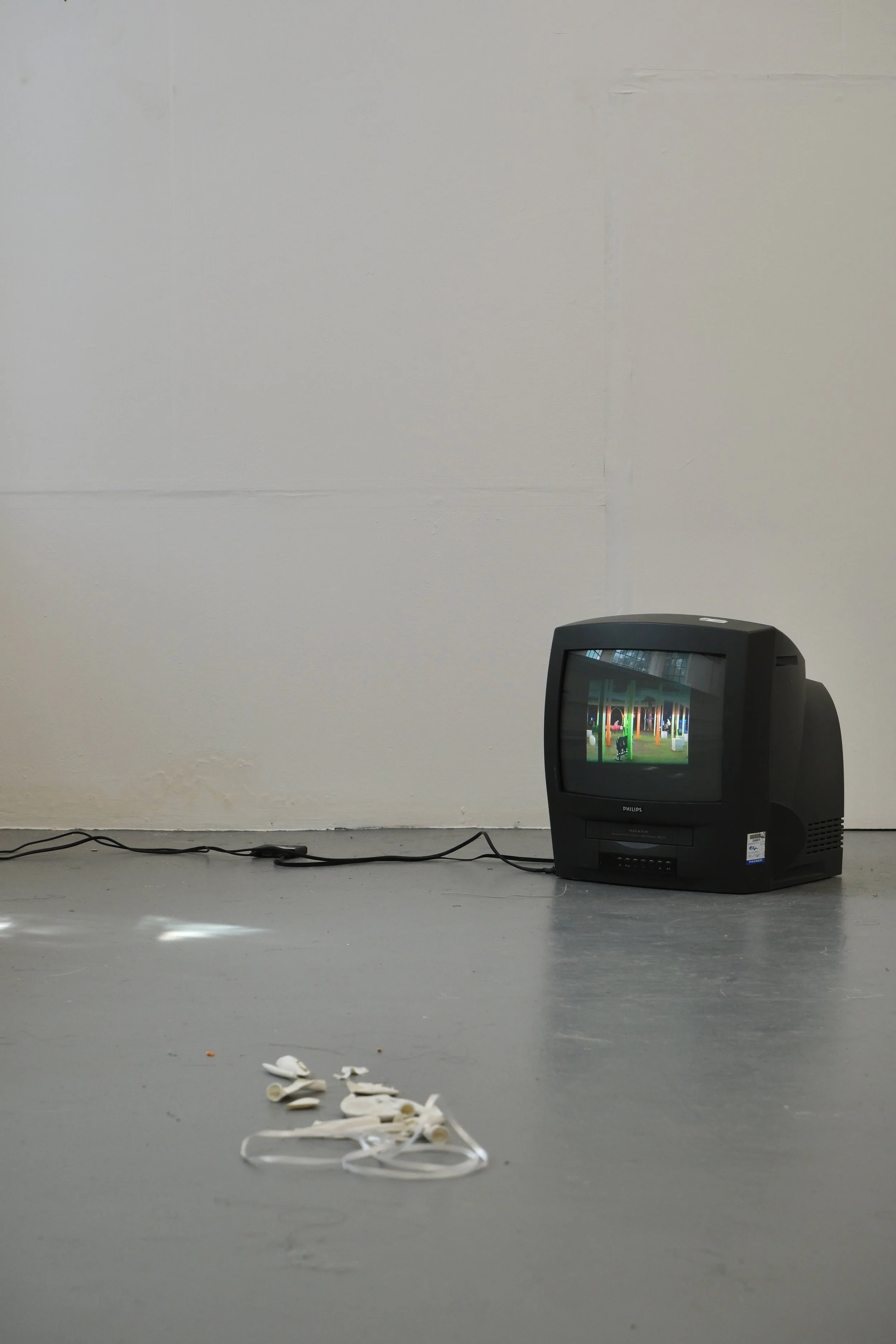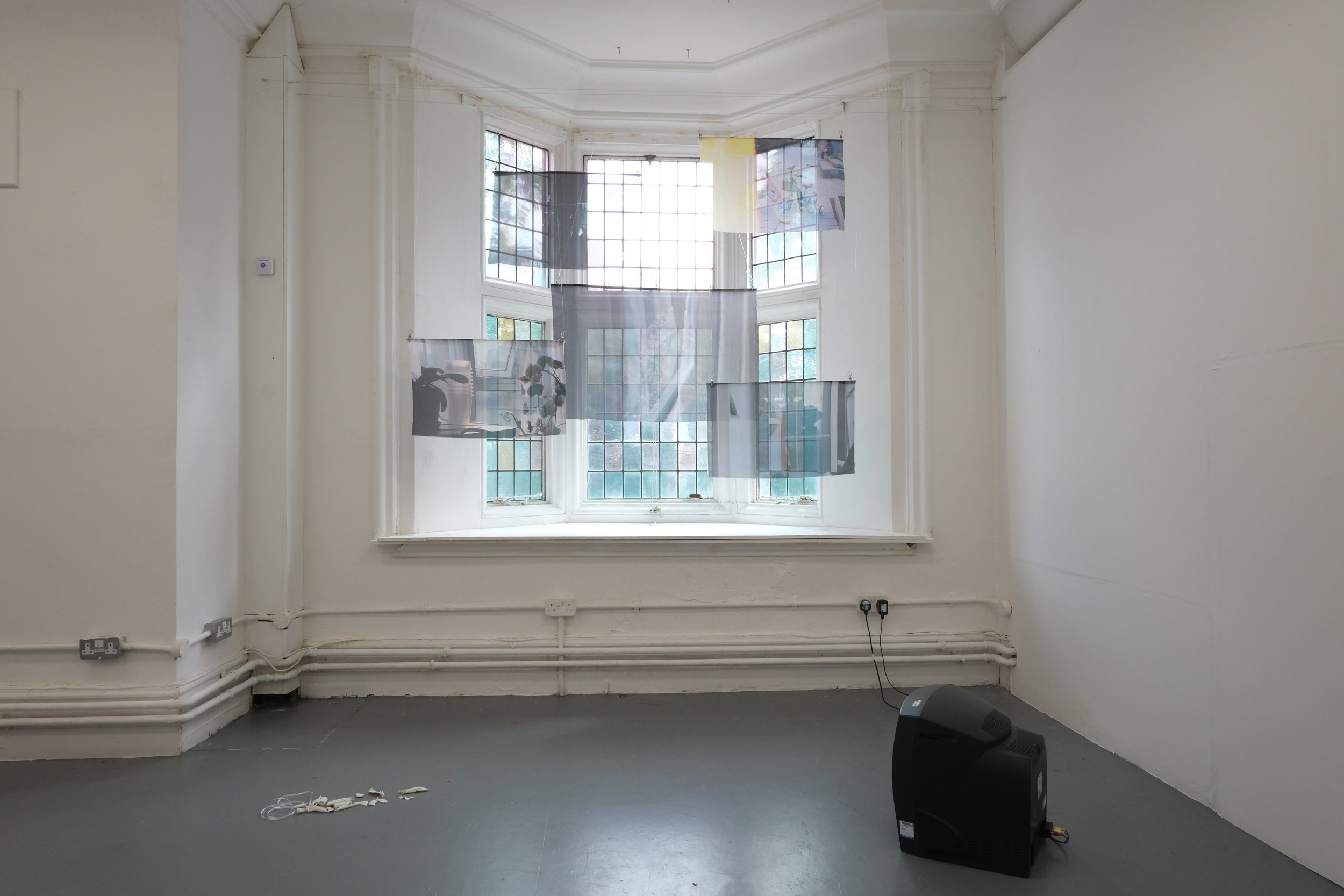
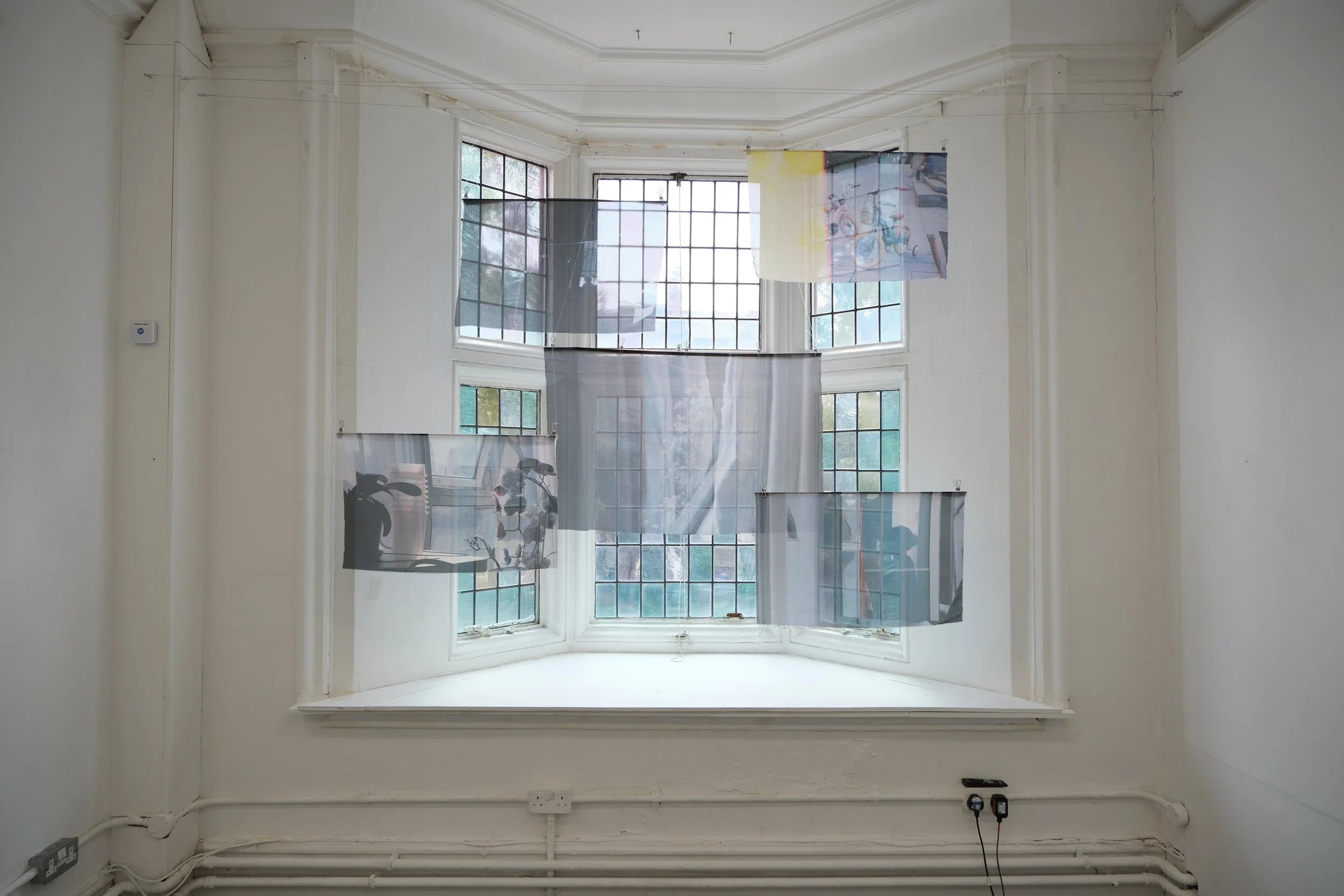
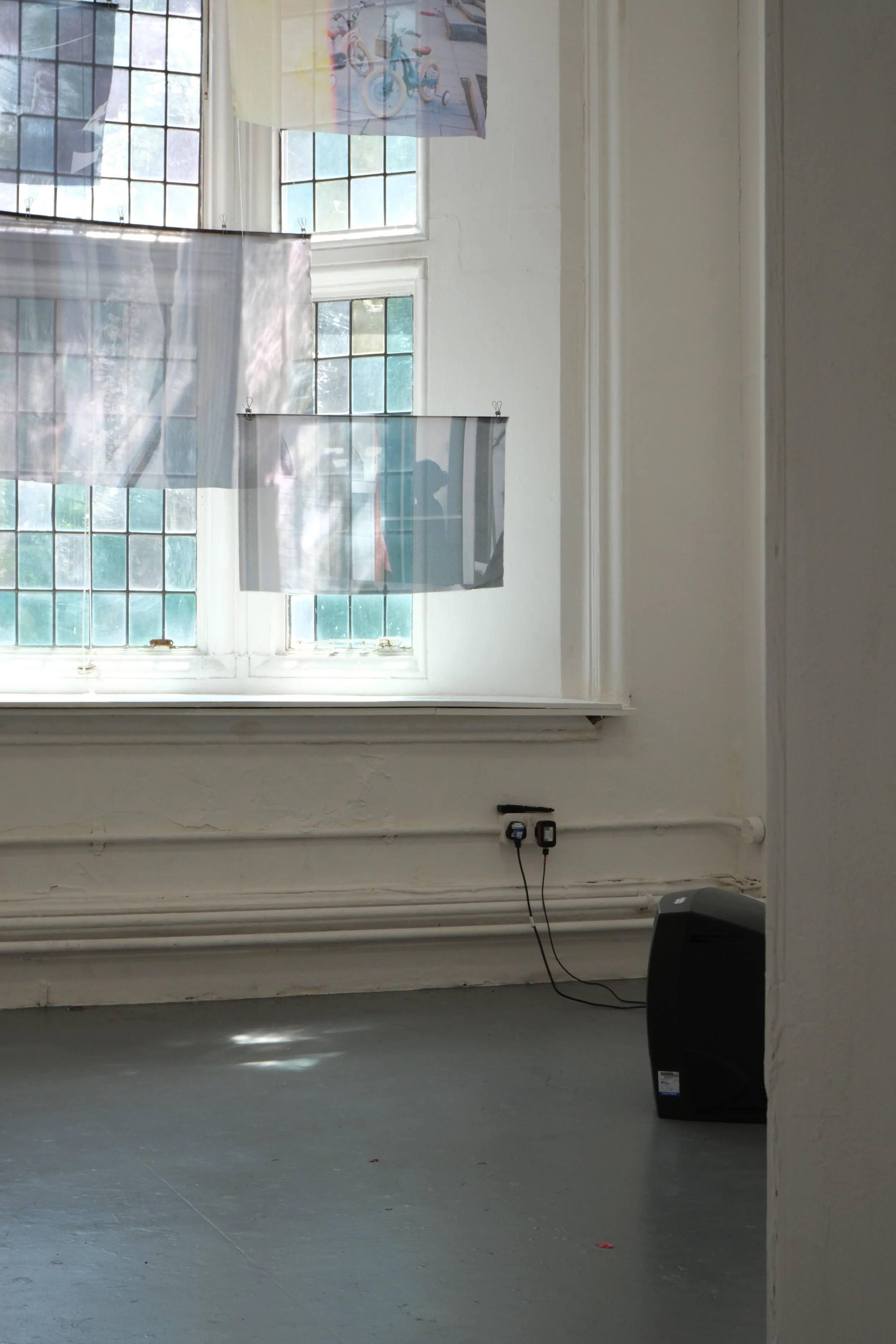
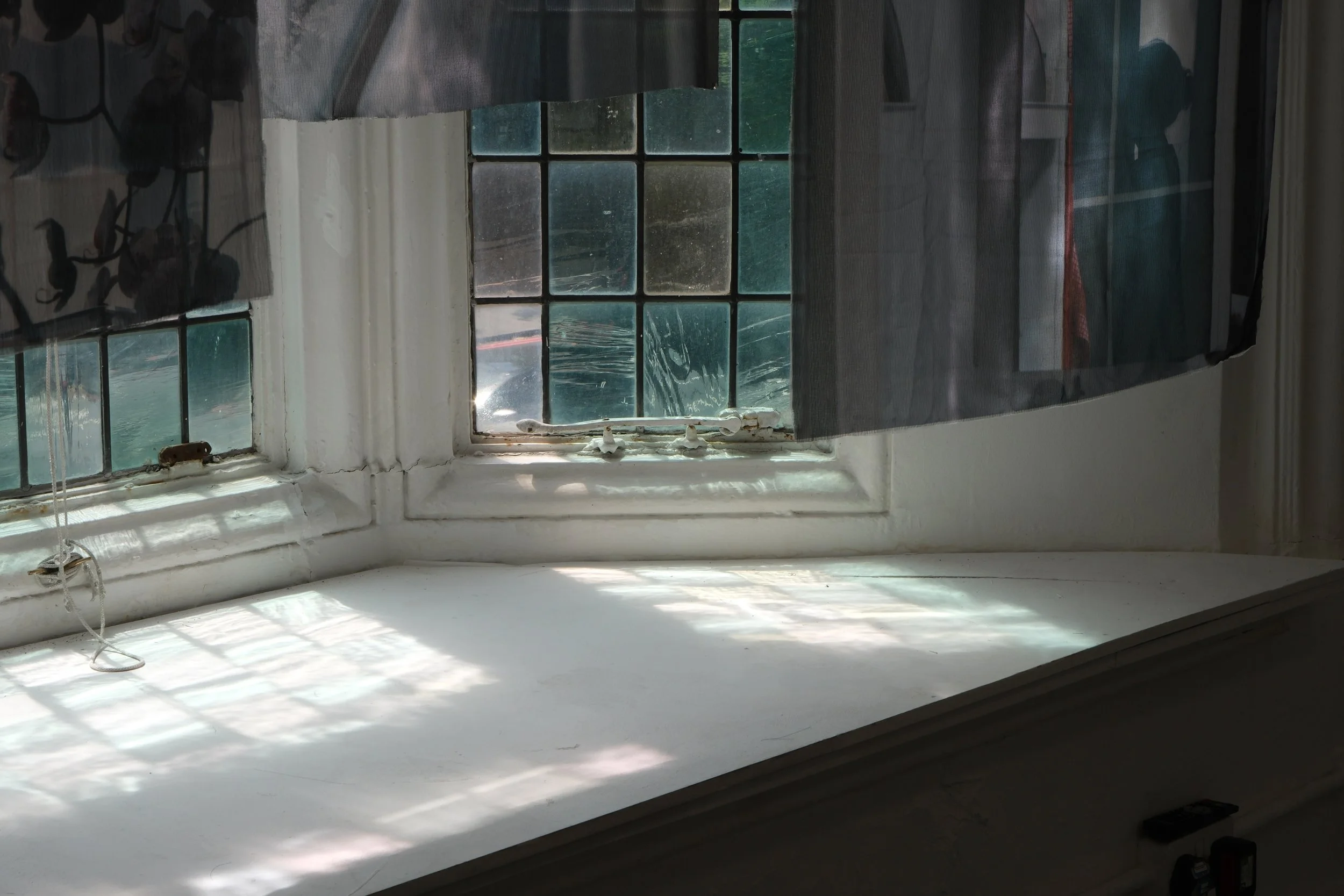
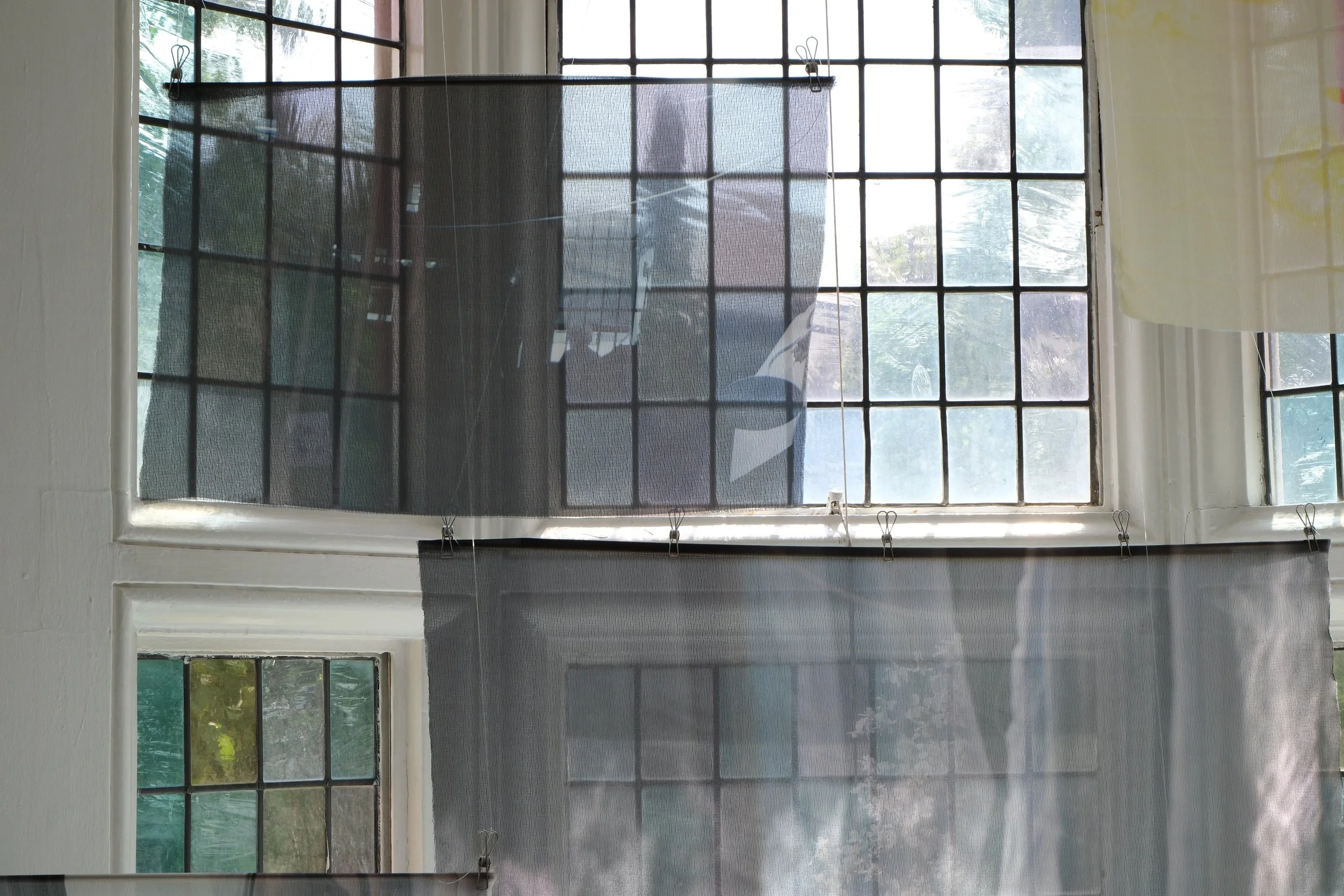
Returning to Beijing at Easter, I realised that the things that had once shaped my home and my sense of self were disappearing rapidly, beyond my control. Rather than treating homesickness as a personal emotion, she approaches it as a response to the forces of policy, society, and time, forces that individuals cannot easily resist. Through suspended fabric photographs, the white balloon, sound, and video, the work creates a sensory space of losing home, growing pains, drifting identity, and accumulated emotions. Rather than offering a fixed narrative, it invites viewers to enter through their own experiences and reconsider the things that once constituted “home,” as well as the self that once existed within it, creating a space in which they may also come to accommodate and reflect upon their own experiences of loss and change.
If everything at the coordinates of what we call home
has already been replaced,
is that place
still home?
I think
maybe it is.
Because so many things
are still there.
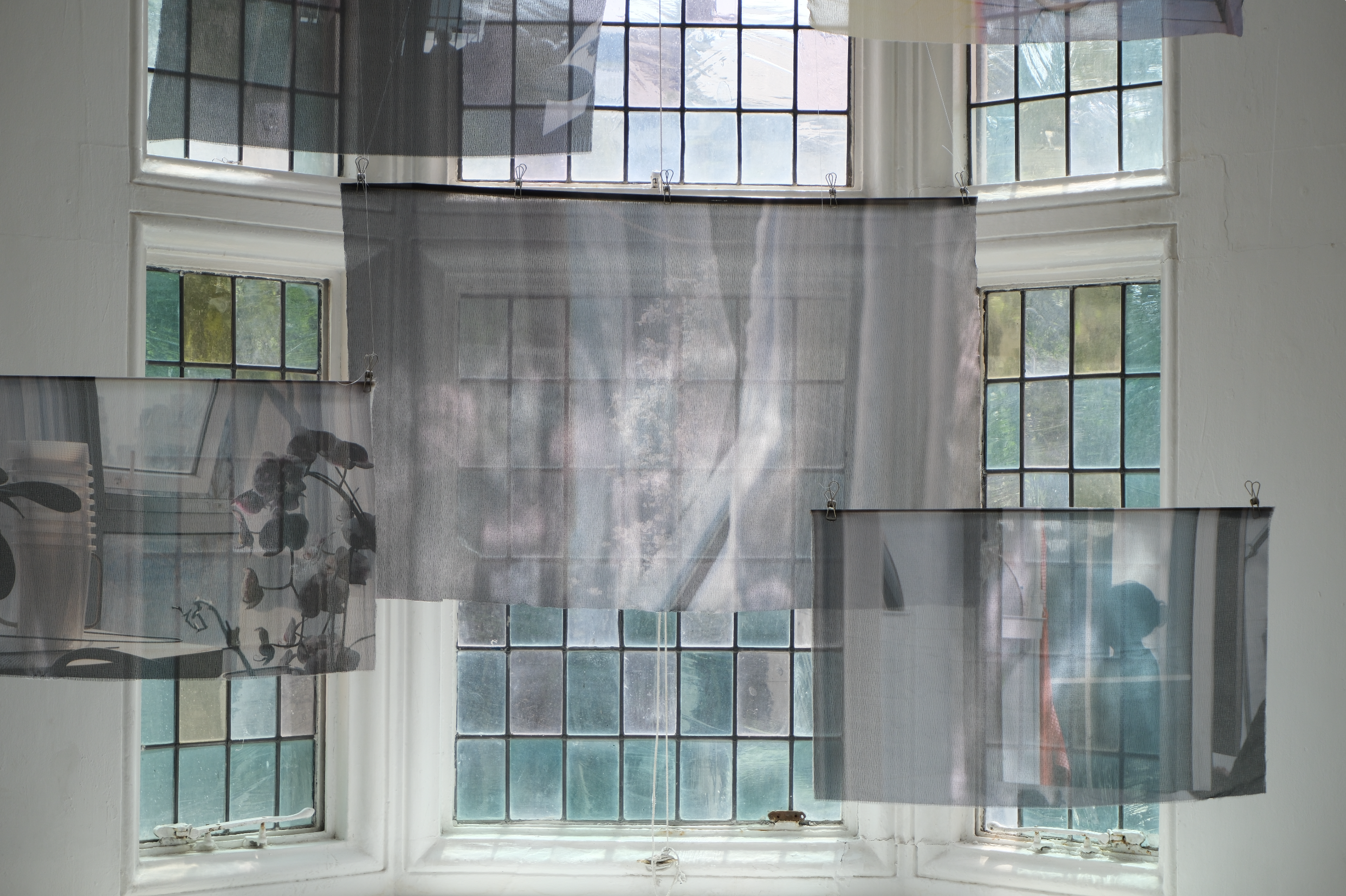
But why is it
that in a place
I know to be home,
I keep reliving loss?
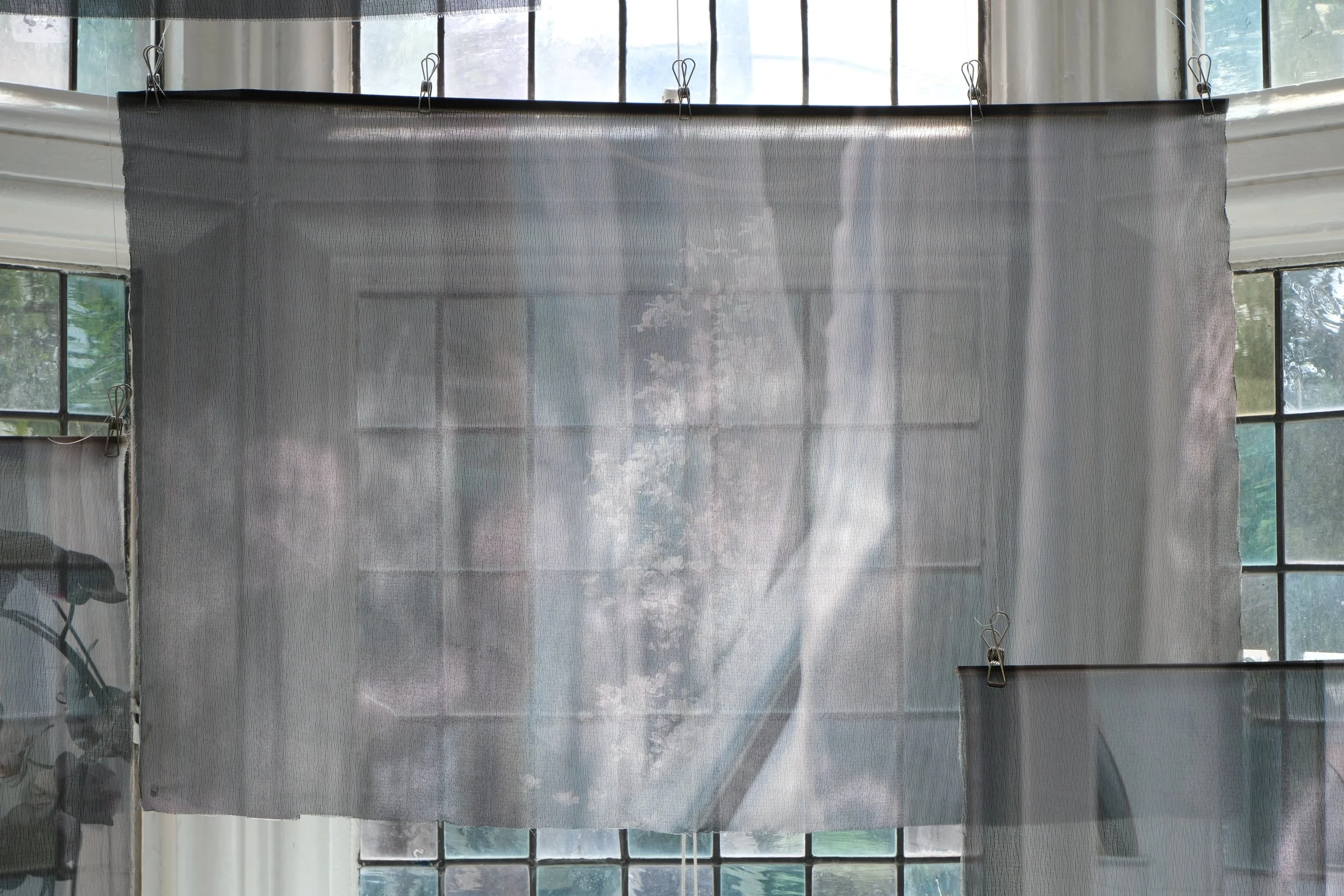
Perhaps because
it is no longer
the fresh buds
that opened on the magnolia tree
when I first understood spring
as a child.
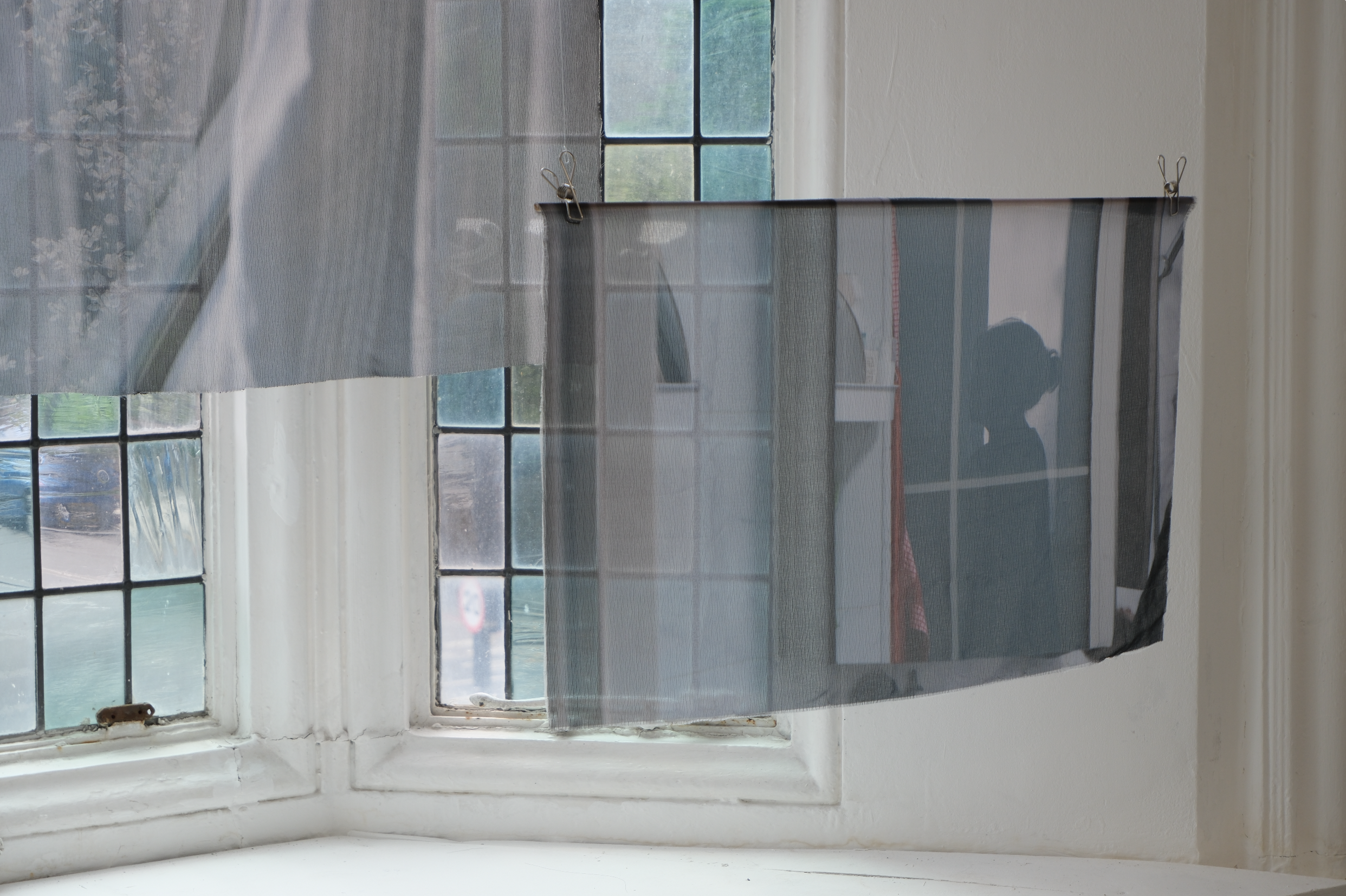
It is not
those weekends
beneath my grandmother’s quilt,
excitedly sharing
all the new things
that happened at school.
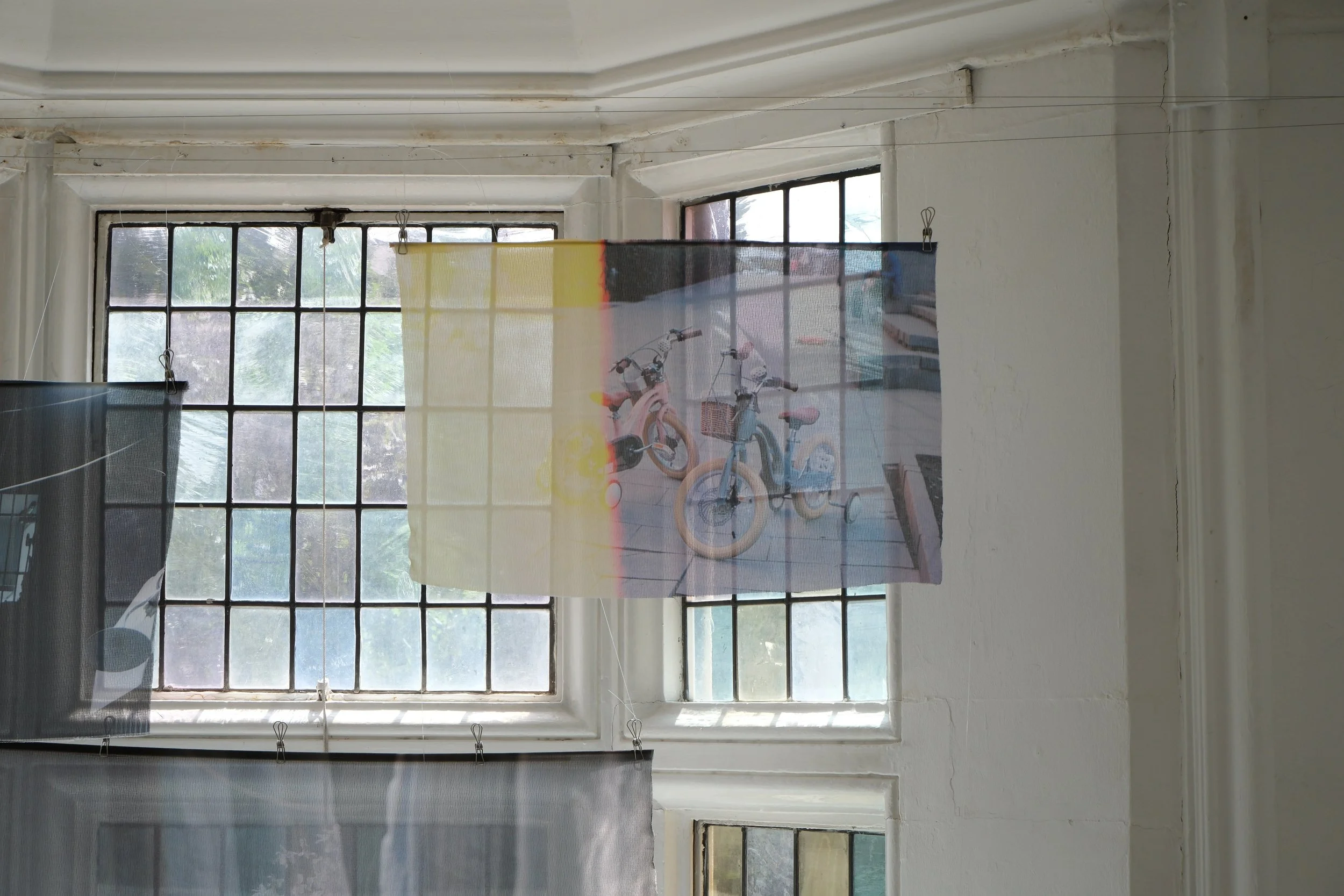
Not
the storm outside the window,
rain pounding
against the iron bars
while I, frightened by thunder,
hid in my grandmother’s arms.
Not
the drifting poplar fluff
I once used
as props
for make-believe games.
Nor is it
the swaying of my own body,
rocking together
with my grandmother,
inside consolation
and comfort.